Most molecular cancer therapies act on protein targets but data on the proteome status of patients and cellular models for proteome‐guided pre‐clinical drug sensitivity studies are only beginning to emerge. Here, we profiled the proteomes of 65 colorectal cancer (CRC) cell lines to a depth of >…
[weiterlesen]
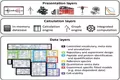
ProteomicsDB is a protein-centric in-memory database for the exploration of large collections of quantitative mass spectrometry-based proteomics data and is highlighted in the database issue of Nucleic Acids Research.
[weiterlesen]
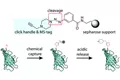
A Triazene linker helps identify azidation sites of labelled proteins via click and cleave strategy. A method for identifying probe modification of proteins via tandem mass spectrometry was developed.
[weiterlesen]
Here, we describe PROCAL (ProteomeTools Calibration Standard), a set of 40 synthetic peptides standards for retention time indexing, column performance monitoring and collision energy calibration.
[weiterlesen]
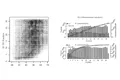
Here, we report an alternative first-dimension separation technique using a commercial trimodal phase incorporating polar embedded reversed phase, weak anion exchange and strong cation exchange material.
[weiterlesen]
We are pleased to announce that members of the chair have been awarded at the Annual meeting of the German Society for Proteome Research (DGMS) in Potsdam.
[weiterlesen]
We employed explorative mass spectrometry to profile proteome, kinome, and phosphoproteome changes in an established model of lapatinib resistance to systematically investigate initial inhibitor response and subsequent reprogramming in resistance.
[weiterlesen]